
Swachh Bharat Revolution: Transforming into a Sparkling Nation.
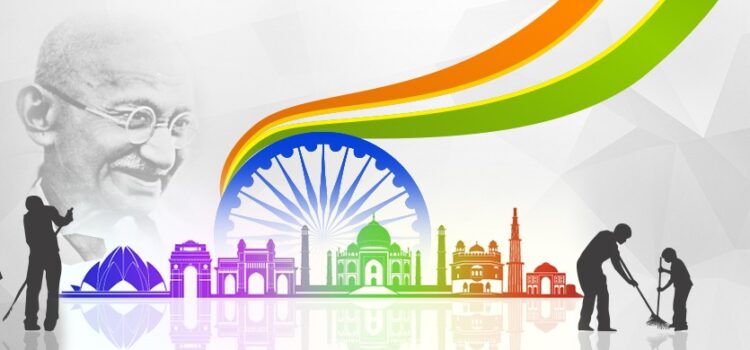
The Swachh Bharat Abhiyan: A Silent Revolution
The Swachh Bharat Abhiyan (Clean India Mission), launched by Prime Minister Narendra Modi in 2014, is an ambitious nationwide campaign that transcends mere rhetoric to inspire tangible change, reshaping attitudes and behaviors towards cleanliness across India. At its core, this monumental vision seeks to uplift the nation’s dignity, cultivate pride, and restore India’s pristine glory by tackling inadequate sanitation facilities, eradicating open defecation practices with severe health and environmental consequences, and igniting a collective ownership of cleanliness that challenges deep-rooted societal norms. From bustling cities to serene villages, the Swachh Bharat Mission has galvanized a silent revolution, uniting citizens in a shared pursuit of environmental consciousness, behavioral transformation, and reclaiming India’s sacred land to its former splendor – a legacy etched in cleanliness that resonates with millions and testifies to the indomitable spirit of the Indian people.
A Brush with History: The Genesis of Swachh Bharat
The seeds of Swachh Bharat were sown in the vision of Mahatma Gandhi. He believed sanitation was integral to a dignified and healthy life. Recognizing this, Prime Minister Narendra Modi, on Gandhi’s 145th birth anniversary in 2014, launched the Swachh Bharat Mission (SBM). The mission was meticulously planned as a two-pronged attack. Swachh Bharat Mission Gramin targeted rural India, focusing on constructing individual household latrines (IHHLs) and eliminating open defecation. Swachh Bharat Mission (Urban) addressed urban sanitation challenges, aiming for 100% scientific management of municipal solid waste. The mission’s objectives are multifaceted, encompassing the construction of millions of household toilets, the elimination of open defecation, and the promotion of solid waste management practices. However, its true essence lies in the transformative power it wields, the ability to ignite a paradigm shift in mindsets and foster a culture of cleanliness that permeates every aspect of society.
Beyond Bricks and Mortar: The Pillars of Success
The Swachh Bharat Mission’s success isn’t merely measured in toilets built, but in the strategies that fueled its progress. SBM recognized community ownership was key, empowering locals to become stakeholders through champions called Swachhagrahis. Women, disproportionately affected by sanitation issues, were placed at the center, not just as beneficiaries but as agents of change in toilet decisions and hygiene promotion. Innovation played a vital role with biogas toilets, grievance redressal apps, and gamified behavior change initiatives. Celebrity involvement further amplified the mission’s reach, with prominent figures normalizing and even glamorizing cleanliness through their participation in cleanliness drives. By combining community mobilization, women’s empowerment, technological solutions, and celebrity advocacy, SBM transcended brick-and-mortar achievements to inspire a national movement for sanitation.
Swachh Bharat’s Progress Towards an ODF India
The Swachh Bharat Mission, launched in 2014, the world’s biggest sanitation drive, has achieved remarkable success in transforming India’s sanitation landscape. By 2019, the initiative had facilitated the construction of over 10 crore household toilets, propelling sanitation coverage from 39% to 100%, with 6 lakh villages declaring themselves Open Defecation Free (ODF). Building on this achievement, the Phase-II of the mission, with an outlay of Rs. 1,40,881 crores, aims to sustain the ODF status and implement Solid and Liquid Waste Management (SLWM) to transform villages into ODF Plus by 2024-25. As of now, 75% of villages, amounting to 4.43 lakh, have achieved the ODF Plus status. Notably, several states and UTs have achieved 100% ODF Plus status, including Andaman & Nicobar Islands, Gujarat, Kerala, and Sikkim. This mission is significantly improving sanitation and hygiene across India.
The Ripple Effect: Achievements and Ongoing Challenges
The impact of Swachh Bharat has been monumental. Over 100 million toilets have been constructed, leading to a significant decline in open defecation. This, in turn, has translated into improved public health, particularly for women and children. Diseases like diarrhea and worm infections have decreased significantly. However, the journey isn’t over. Sustaining this progress and addressing emerging challenges remains crucial. Solid waste management in urban areas continues to be a complex issue. Maintaining toilet hygiene and ensuring proper menstrual waste disposal require ongoing efforts. The initiative has empowered communities, particularly women and girls, by addressing the long-standing issue of lack of access to proper sanitation facilities. The Swachh Bharat Mission has also revitalized India’s cultural heritage by cleaning ancient monuments and public spaces.
Strengthening Swachh Bharat with Policy Framework: Value Proposition and Incentives
Value Proposition:
- Improved Brand Image: Corporations can enhance their social and environmental responsibility image.
- Employee Engagement: Participation boosts morale and a sense of community.
- Market Access: CSR-friendly policies can help in government tenders.
Policy Framework Key Elements:
- Corporate Social Responsibility (CSR): The Companies Act requires firms to contribute to social causes. Some states offer matching grants. Awards like the Swachh Bharat Abhiyan Awards recognize outstanding efforts.
- Individual Incentives: While nationwide tax rebates are rare, state-level subsidies and the IHHL scheme assist in rural toilet construction.
- Government Initiatives: Initiatives like PMKVY focus on skill-building for sanitation workers. PPPs are encouraged for managing urban sanitation infrastructure. Massive awareness campaigns aim to create ownership and pride in sanitation.
The Call to Action: Be the Change
Swachh Bharat is not just a program; it’s a lifestyle. Everyone has a part to play:
- Practice good hygiene and use toilets responsibly.
- Educate others on the importance of sanitation.
As India moves toward universal sanitation coverage, Swachh Bharat stands as a symbol of national pride and collective determination. It marks a turning point that will inspire generations to uphold cleanliness as a fundamental civic duty.
About the Author
Dr. Ashok Kumar Mittal, a Member of Parliament in the Rajya Sabha, is known for bridging legislative governance and transformative education. As the Founder Chancellor of Lovely Professional University, his leadership is marked by ethics, vision, and a passion for positive change. A law graduate from GNDU and honorary doctorate recipient from ABVU, Dr. Mittal’s influence extends from policy to grassroots societal impact.